Finca La Flor, managed through the Asociación para el Desarrollo de la Conciencia Ambiental y Humana (ASODECAH), a non-profit association formed 27 years ago.
Today, Finca La Flor is understood as a project that integrates three interconnected areas: agropecuary and regenerative practices, environmental education, and culture & well-being.
The project is currently in a phase of reactivation, gradually retaking and strengthening the principles that have historically shaped farm; living in harmony with nature, fostering community, encouraging conscious use of resources, and promoting sustainable and socially inclusive practices. All of this in a well-being and cultural enriching environment.
The association’s objective is to conserve and enhance the biodiversity of the farm while developing activities that foster environmental awareness, social responsibility, and community well-being.
These objectives align with the project’s three guiding pillars:
• Regenerative agricultural and animal care practices that seek healthier soils, responsible animal care, and steps toward local food sovereignty
• Environmental education, positioning the farm as a living example of continuous improvement and ecological awareness
• Cultural and well-being initiatives that support community connection, inclusion, and space for personal and collective growth.
The project focuses on progressively rebuilding its regenerative and organic practices. This includes planting part of our own food without agrochemicals, composting and vermicomposting, waste separation, conscious use of resources, reforestation, protection of natural areas inside and around the farm, elaboration of natural products, caring for the farm animals, and collecting eggs.
We are also in the process of reactivating bamboo construction, creative reuse of materials, and other practices that support ecological cycles and sustainable living.
Finca Agroecológica La Flor began as a project in 1998, when ASODECAH was formed in the town of La Flor, a small town in the province of Cartago. Its founder Brigitte Draabe, is a German citizen, who bought the farm when it was a pasture, with the intention of reforesting it and creating a "lung" in one of the main agricultural areas of Costa Rica.
Brigitte has involved the community of La Flor from the beginning, creating jobs and involving the locals in sustainable and eco-friendly practices.
The project has always been nourished by the knowledge of the locals, who know well the crops grown in the area, the planting season and the area and a host of other details that helped to recover the land on the farm.
The project has always had a social objective. In the past, we have collaborated with schools, colleges, universities, and families to develop activities that raise awareness about the environmental and social impact of human actions and to explore more respectful and harmonious alternatives for living.
At this stage, we are reconnecting with institutions and rebuilding these educational and community partnerships so that these collaborations can gradually take place again. Not only with the intention of environmental awareness but also to promote inclusive well-being experiences for different groups of people.
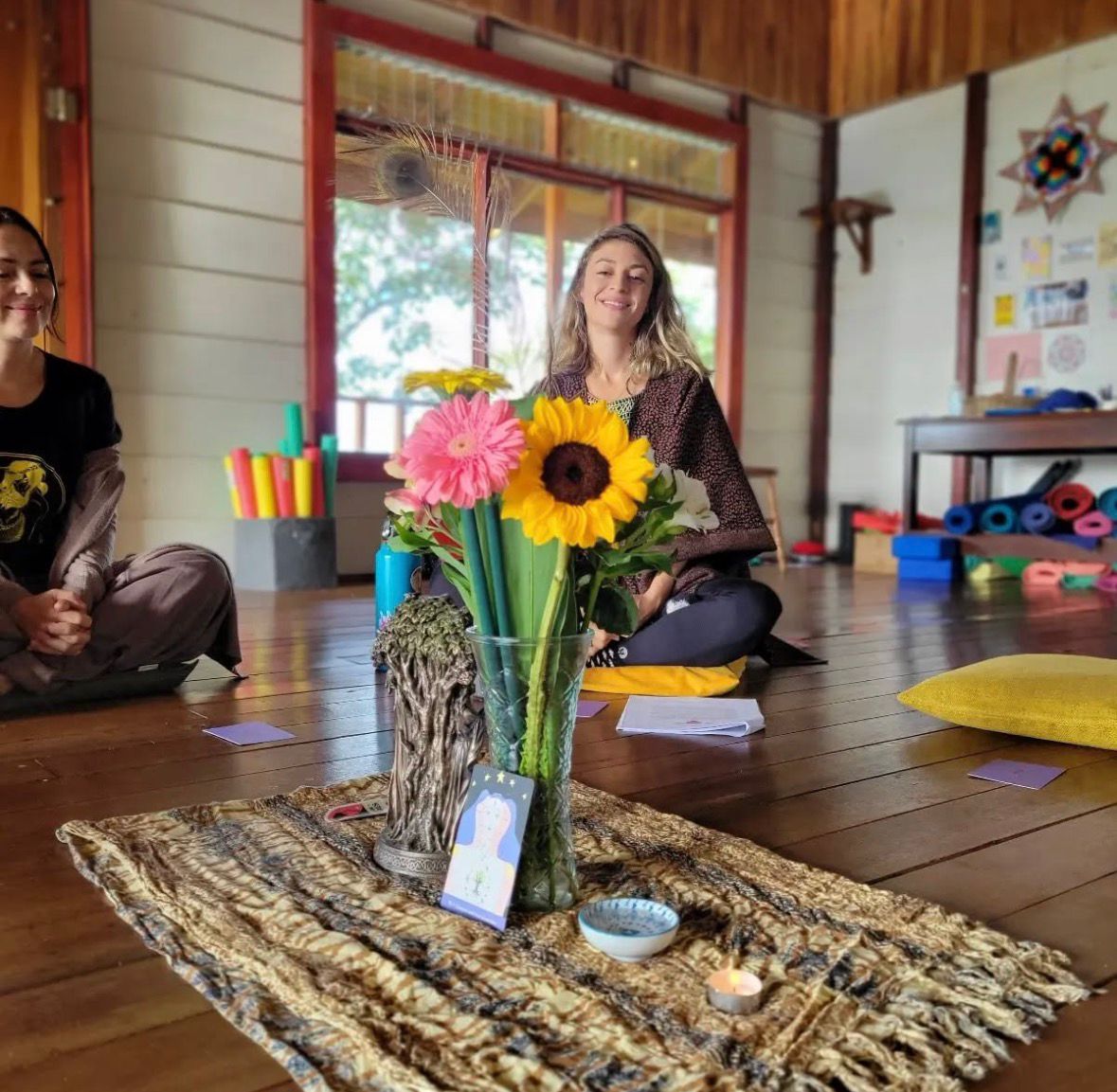
Finca La Flor is a space to share moments, knowledge, experiences, to deepen in the present moment and to live day by day in a simple way and in connection with nature.
İş Tanımı
The activities of Finca La Flor take place on the farm itself and, on occasion, in other neighboring farms with which we collaborate and obtain some resources (such as pasture for the animals).
The following are the different areas of the farm and their respective activities:
1. Agriculture (this area is reactivating)
• Crop planting
• Elaboration of microorganisms, extracts and organic fertilizers
• Preparation of the soil before sowing, adding compost and stirring by hand or with a motor hoe
• Weeding
• Sowing (making seedbeds, seedlings and then transplanting to the orchard)
• Harvesting
• Seed conservation
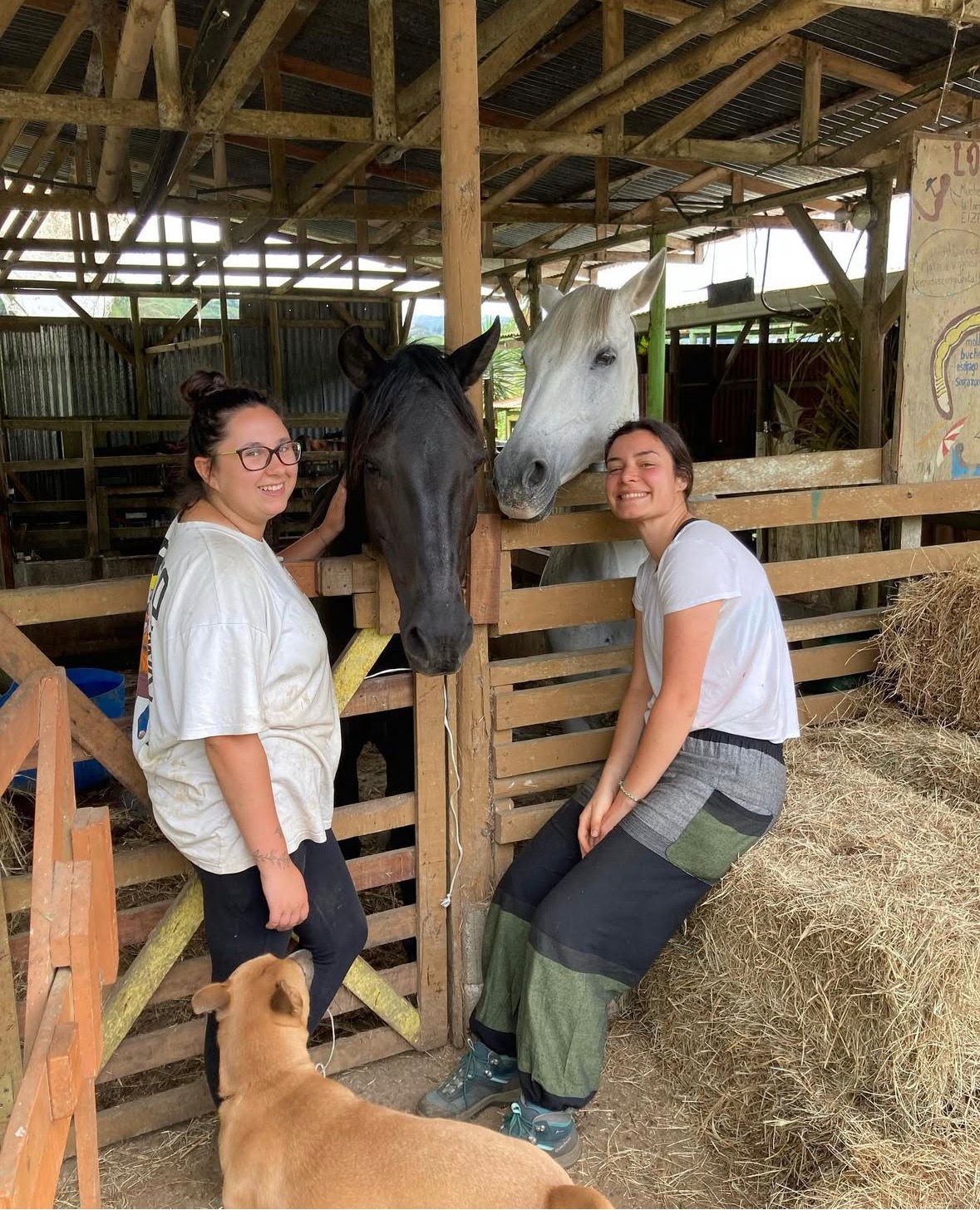
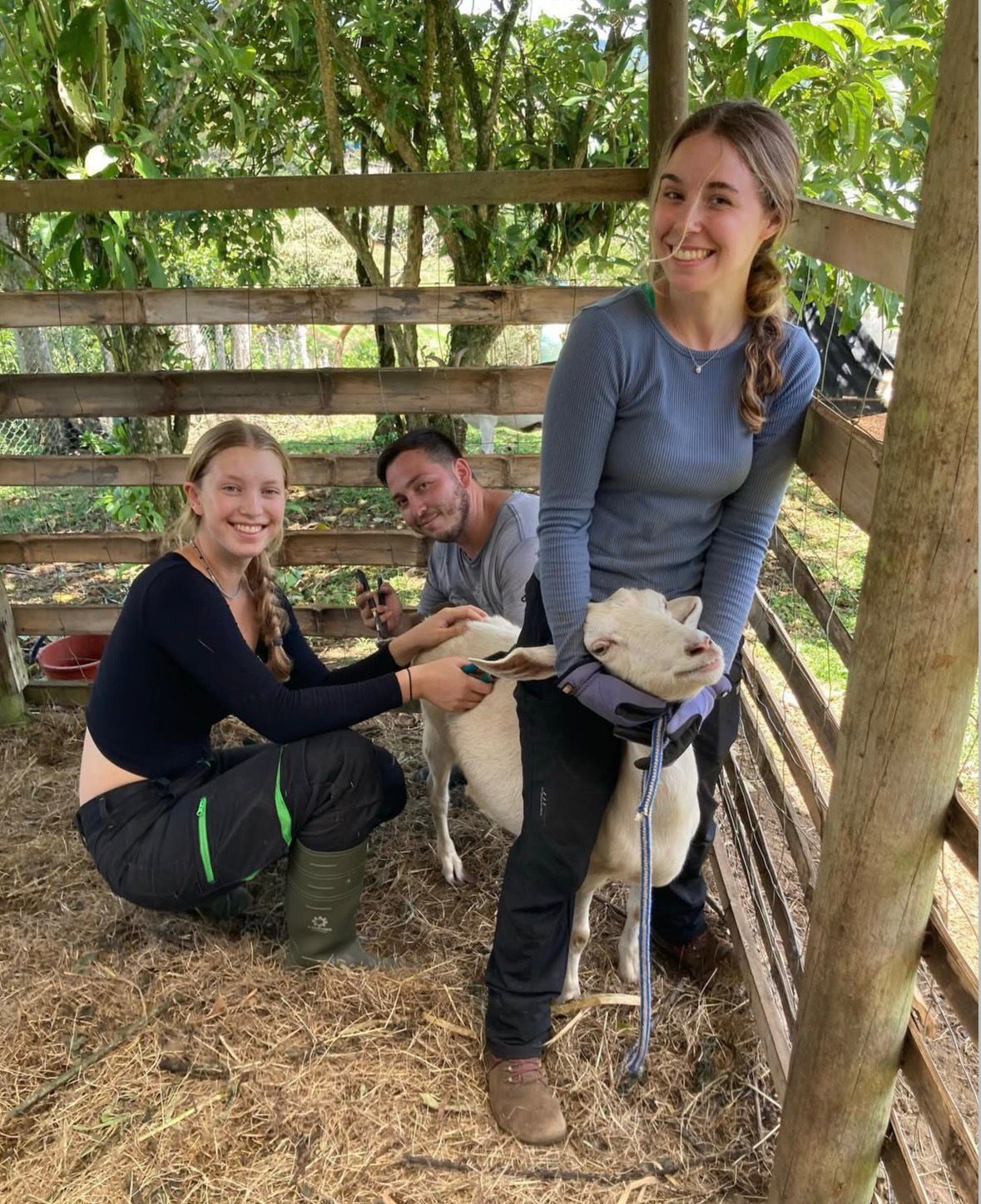
2. Taking care of the farm animals (horses, goats, chickens)
• Grass collection
• Feeding twice a day (mornings and afternoons)
• Cleaning of stables and enclosures
• Repairing stables, fences, posts, etc.
• Collecting eggs every day
• Animal hygiene
3. Botanical Garden and Forest
• Cleaning of trails
• Reforestation
• Pruning trees
• Expand the variety of ornamental plants
• Creation of observation areas
• Signage
4. Kitchen
• Coordination and planning with the orchards for food supplies
• Food preparation
• Elaboration of recipe booklet
• Cleaning
5. Infrastructure
• Maintenance of cabins and common areas
• Construction of new spaces
• Reconstruction of old and obsolete spaces
• Collection of bamboo and wood from the forest for construction and furniture making
6. Administration
• Elaboration of welcome manuals for volunteers and tour options.
• Content creation for social media
• Support in maintaining the project´s website
• Documenting activities, processes, and events
• Designing simple informative materials
• Search for institutions and organizations to expand the number of collaborators
7. Social action and community engagement
• Different kinds of workshops for kids in town
• Helping with events directed to the community’s well-being
• Helping with community initiatives
8. Research
• Identification of flora and fauna of the farm and elaboration of a catalog
Function of the volunteer:
General Objective
-The cooperant is asked to be part of the work team, getting involved in all areas of the farm.
Specific Objectives
-To understand the dynamics and processes of the farm in its different areas (all of them being interconnected), gaining autonomy to perform tasks and/or teach others.
Konaklama ve Yemek
Hosting situation provided by the Project:
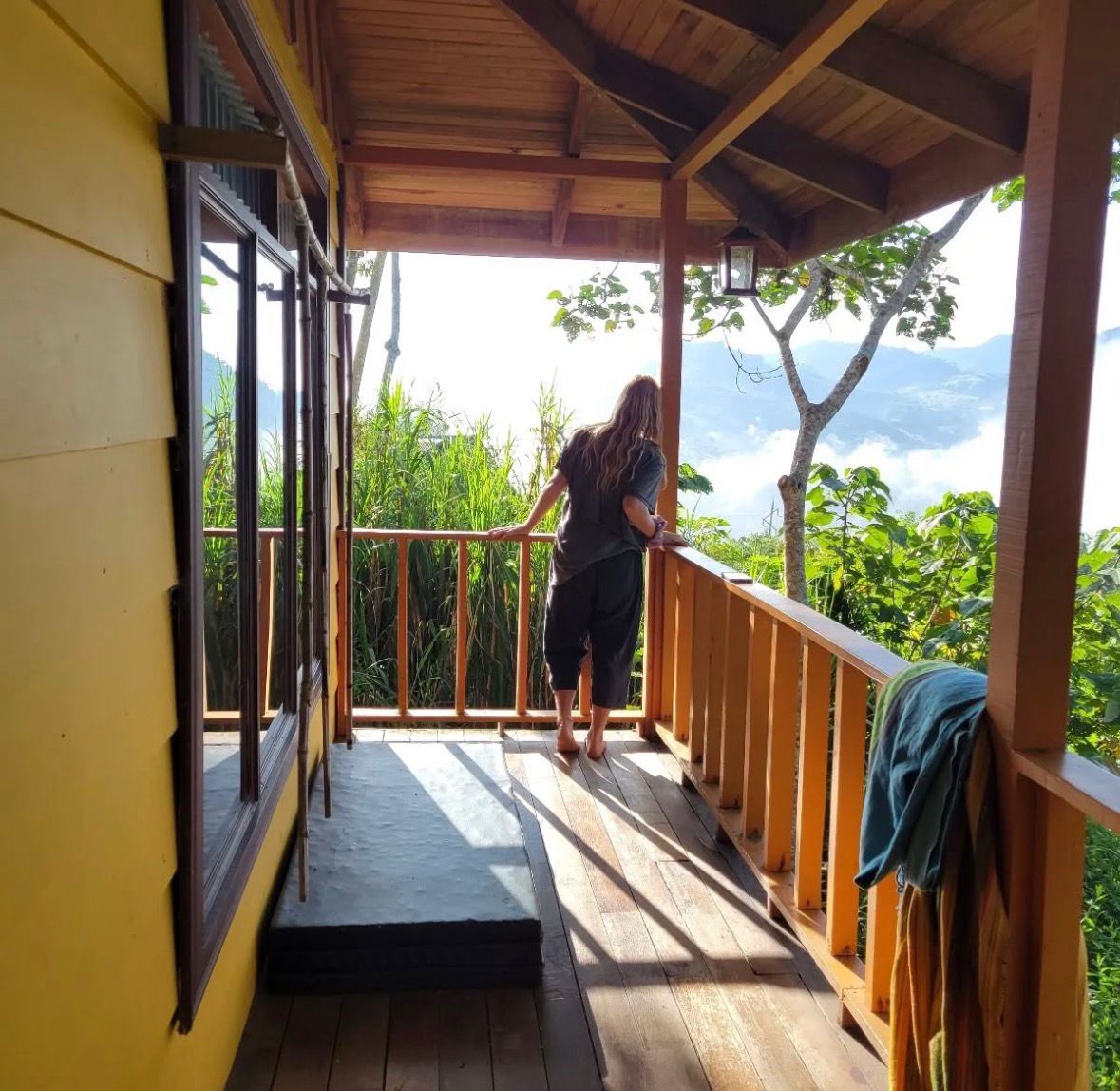
Volunteers will be accommodated in shared cabins with other volunteers, they will have a common bathroom. The cabin is very rustic and simple, and volunteers will have their own bed.
Konum ve Serbest Zaman
- Basic knowledge of Spanish and / or English.
- Interest in regenerative practices, organic gardening, and responsible animal care.
- It is important that the person is open to share as there are always many visitors of all ages on the farm.
- We also ask our volunteers to be aware of the amount of waste they generate. At the Finca we try to re-use everything and if it is not possible, we recycle it.
- It is very important to us that visitors do not leave any belongings on the farm that they no longer use (old clothes and/or shoes, old shoes, etc.).
- The work on the farm is physical, so it is important to be very careful when performing the tasks for example not to hurt yourself, especially when handling tools.
- It is essential that volunteers have insurance.
Notlar
Work schedule:
Depending on the farm’s needs, the volunteer schedule may vary. Activities begin with feeding and caring for the animals, followed by breakfast and then the assigned tasks (maintenance, agriculture, remodeling, art, social media, among others). Breakfast is served between 8:00 and 8:30 a.m., lunch at 12:00 p.m., and in the afternoon workshops or additional activities may continue.
The farm operates with two possible schedules, depending on the season and team availability:
1. Schedule A: From 6:00 a.m. to 12:00 p.m. (minimum 6 hours).
2. Schedule B: From 8:00 a.m. to 2:00 p.m. (up to 8 hours).
Volunteers will be assigned to one of these schedules according to the operational needs of the farm.
What to bring:
- Rain coat
- Umbrella
- Flash light
- Hats or cups
- Working gloves
- Rubber Boots
- Warm Clothes
- Hiking shoes
Please add more items if needed.
Other information:
Volunteers need to be respectful with the locals as Finca La Flor is not an isolated project, it is part and totally involved with the community, they involve the community in several actions and so.
Volunteers need to know that Staff members work and live in the farm as well, with all related to this. Respect working hours from the staff members as they are not always working but still being in the farm.