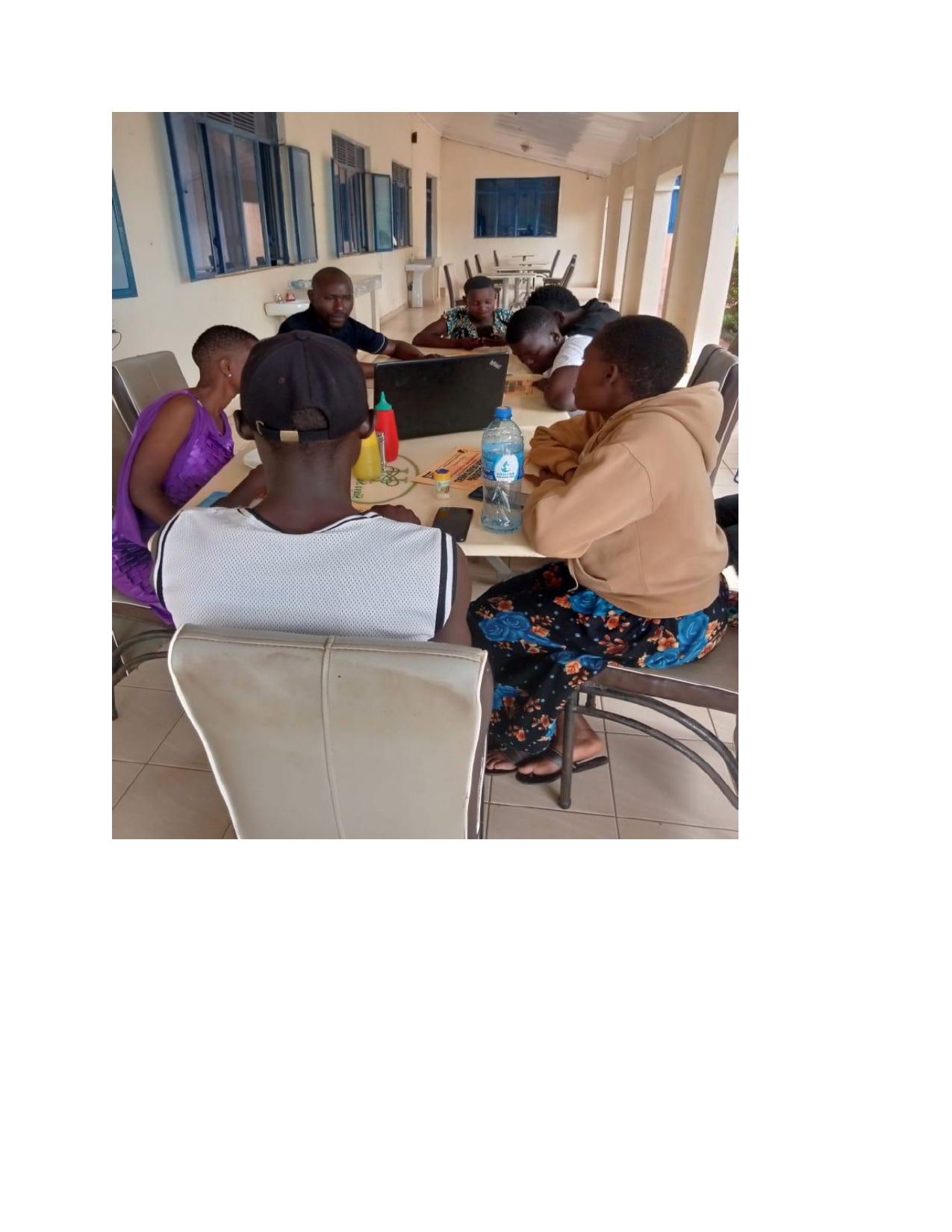
KVDA is an indigenous, non-political and membership organization which is non-sectarian and non-profit making started in 1962 as a work camp organization registered under the Societies’ Act. In 1993, KVDA was registered as a Non-Governmental organization by the establishment of the NGOs Coordination Act.
Vision Statement of KVDA: We envisage KVDA as an organization with a large membership working towards the improvement of quality of life of the community.
Mission Statement of KVDA: Mobilizing all-purpose resources to support community development initiatives.
Core Values or Operating Principles
· Promotion of voluntarism.
· Transparency and accountability.
· Participatory evaluation of projects.
· Local community ownership of projects:
· Continuous research and development.
· Regular follow up of projects.
· A learning organization.
· Documentary evidence of processes and events.
Strategic Objectives
· Afford voluntary service opportunities to young people.
· Mobilize communities to action.
· Supplement formal education with experiential learning.
· Create awareness amongst Kenyan communities about development issues.
· Foster global peace, friendship and understanding.
· Mobilizing all-purpose resources to promote grassroots development
Values
KVDA has a 62-year history of working to “develop against dependence” while cultivating trust and friendships with volunteers and partner organizations all over the world. The three mandates of the organization are as follows:
■ The Association shall be a non-profit, non-governmental, non-religious and non-political Association, whose inspiration is the furtherance of peace, friendship, understanding, development, democracy and equality among peoples of different cultures and backgrounds.
■ The Association is dedicated to seeking opportunities for young men and women from diverse national, cultural and educational backgrounds to live, work and share life and experiences in order to improve their world, to provide voluntary services to marginalized communities, to acquire alternative education, to gather information and build international cooperation.
■ The Association is further dedicated to mobilizing resources within and across national borders to support community development initiatives whose aims are to eradicate poverty and human suffering as well as to promote democracy and justice among peoples.
İş Tanımı
Project overview
• KITO International is a non-profit social enterprise dedicated to getting youth off the streets and out of poverty. Inspired and founded by a former street boy, KITO combats poverty by providing economic opportunities. We are based in Nairobi and Siaya in Kenya.
• KITO trains youth in entrepreneurship, financial literacy, employability skills, and life skills. After 2 months of intensive training, KITO youth are temporarily employed with KITO’s social enterprise, EcoSafi, in order to gain hands-on experience in a formal employment setting.
• KITO staff and supporters also seek opportunities to link KITO youth to mentorships, internship, or apprenticeships in and around the community in order to expand the youth’s knowledge and confidence in order to set them on the path towards self-sufficiency.
• KITO is dedicated to the success of each and every youth that walks through its doors and customizes each youth’s exit strategy to ensure their continued success and growth. Previous KITO graduates have continued their education, secured full-time employment, and started their own business.
Manual work and Intercultural activities:
• The volunteers do not have to be professionals but will be guided to do manual work and other activities that positively impact on the advancement of Kito International.
• Training youths on life skills, entrepreneurship, financial literacy, employability, curriculum Vitae development and interviewing skills.
• Mentorship and apprenticeship for the youths with emphasis on the girl child who are marginalized.
• Design and production of custom-made bags from bio degradable materials, printing of T-Shirts and other related works
• Participating in clean ups in the community and around the Lake Victoria
• Conduct focus group discussions on gender issues
• Assist the Librarian in the community library.
Konaklama ve Yemek
• Volunteers will stay in classrooms at the School with basic living conditions.
• Volunteers have an obligation to climb down the level of the people with the aim of exposure to development challenges.
• KVDA will provide foodstuffs and volunteers will cook their own meals in turns. Water is available from springs and it is recommended that drinking water should be boiled or medicated. Mineral water available at supermarkets is also recommended.
• The Government policy to install ICT in primary schools has seen connectivity to the national power grid for most educational institutions in Kenya and this makes it easy for volunteers to use electric appliances while at the project.
• Furthermore, we invite you to bring typical food, spices, drinks, games and music from your country (for an intercultural evening) – and a lot of motivation!
Konum ve Serbest Zaman
Volunteer have the opportunity to visit local villages and experience cultural diversity among the legendary Luo Community.
KVDA offers educational tours to spectacular sites of interests and we welcome volunteers interested to request through email for specific information.
We look forward to welcoming you to our wonderful country Kenya.
Notlar
THEME: YOUTH EMPOWERMENT
• This project is aimed at the empowerment of the youths within the rural setting to tackle challenges of development.
• Identity crisis is a major drawback to efforts to enhance community development and the majority of the young people are in and out of school and they portend a danger to society is they are not nurtured and supported to establishment themselves into responsible citizens.
• Kito International establishment is premised on that pedestal as a platform to nurture talents and inspire members of the local community to sustain livelihoods.
• The involvement of local and international volunteers serves the critical purpose of sensitization and exposure to challenges of development.