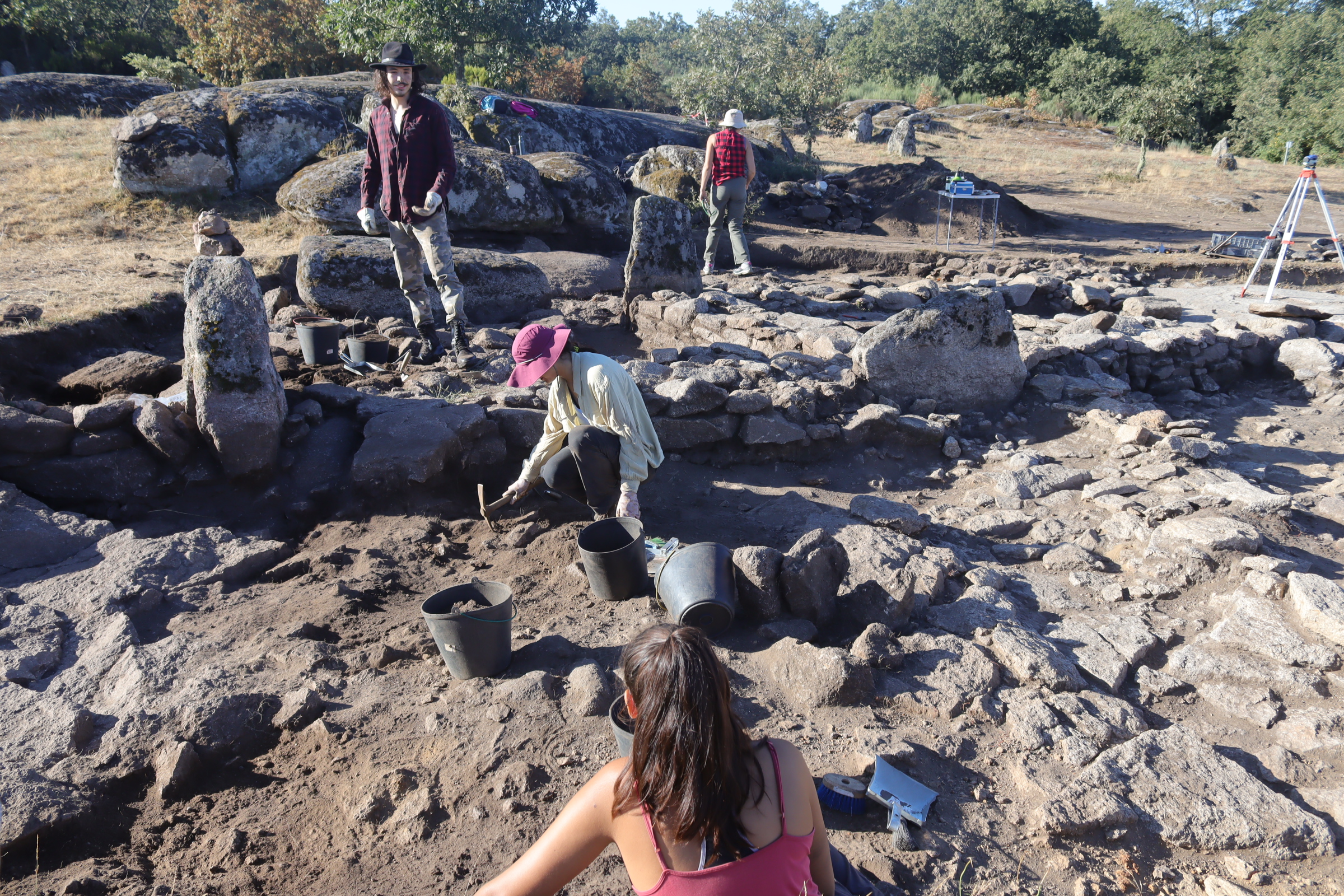
This international workcamp takes place in the Alto Douro Wine Region (UNESCO World Heritage) in northern Portugal and brings together 12 volunteers (18–30). Volunteers will join heritage visits and learning activities, and support non-invasive work at the Medieval Chapel of Our Lady of Veiga (cleaning, observation and basic documentation, always supervised). The camp also includes digital heritage workshops and an experimental theatre project inspired by local history, ending with a public performance for the community.
İş Tanımı
designed to promote cultural heritage valorisation, intercultural learning and community engagement.
Volunteers will participate in heritage education activities, including introductory lectures, workshops and guided visits focused on the Alto Douro Wine Region as a UNESCO World Heritage cultural landscape. These activities aim to provide historical, cultural and territorial context and to develop a shared understanding of heritage values.
A core component of the camp is non-invasive fieldwork at the Medieval Chapel of Our Lady of Veiga, where volunteers will collaborate in supervised tasks such as cleaning the interior and surrounding areas, visual observation, basic condition assessment and simple documentation of the monument. All activities will follow heritage conservation principles and will not involve technical restoration works.
Volunteers will also take part in digital humanities workshops, learning basic methods for heritage documentation, recording and dissemination using digital tools.
In the second phase of the camp, participants will engage in an experimental cultural theatre process, including acting workshops, voice and movement training, collective creation and rehearsals. Volunteers will contribute to the development and public presentation of a theatrical performance inspired by local history and cultural identity.
In addition, volunteers will take part in daily group life tasks, such as meal preparation, shared responsibilities, evaluation moments and intercultural activities, fostering cooperation, responsibility and mutual respect.
Konaklama ve Yemek
Volunteers will stay in a simple but comfortable shared accommodation in a rural area of Sabrosa, close to the activity sites. You’ll sleep in shared rooms (gender-separated when needed), with beds or mattresses provided. Bring your own sleeping bag and towel.
There are shared bathrooms with hot showers and toilets. Everyone helps keep the place clean through shared cleaning duties. A fully equipped kitchen is available. Breakfast and dinner will be prepared by the group (teamwork style). Food is provided by the organisers, and weekly menus are planned with volunteers (vegetarian options available, other diets must be shared in advance).
Lunch will be served daily at a local restaurant. Electricity, running water and Wi-Fi are available, but internet may be slow. Laundry options are limited (hand washing possible, and occasional laundry support may be organised). The place is calm and quiet, great for rest, group life and intercultural exchange.
Konum ve Serbest Zaman
The workcamp takes place in Sabrosa, a small and safe rural municipality in northern Portugal, located in the Alto Douro Wine Region (a UNESCO World Heritage cultural landscape). The area is known for vineyards, terraced hills and traditional village life. Sabrosa has around 6,000 residents, and the lifestyle is calm and strongly connected to local traditions and seasonal rural activities. This is a great place for volunteers who want a real community experience, far from big cities and mass tourism, activities will happen in nearby villages such as São Martinho de Anta and Vilarinho de São Romão. The main work site, the Medieval Chapel of Our Lady of Veiga, is in a quiet countryside setting surrounded by vineyards and nature. Sabrosa is about 120 km from Porto and 30 km from Vila Real. Because the camp is remote, it’s perfect for building strong group spirit, intercultural exchange and close contact with local people and heritage.
Notlar
This workcamp happens in a rural UNESCO World Heritage area, so expect nature, culture and community life — not city comfort or nightlife. You’ll need to be flexible and active: tasks are simple but include walking, standing and light outdoor work, sometimes in summer heat. Bring comfy closed shoes, sun protection, a light waterproof jacket and a reusable water bottle.
Camp life is all about teamwork: everyone helps with cooking, cleaning and daily organisation. Respect, cooperation and a good attitude are essential. Because we work in heritage sites, rules are strict — follow the coordinators and never touch or damage anything. Basic English is needed. Portuguese is not required (but it’s a plus). Internet may be limited, so be ready to disconnect and enjoy the experience.